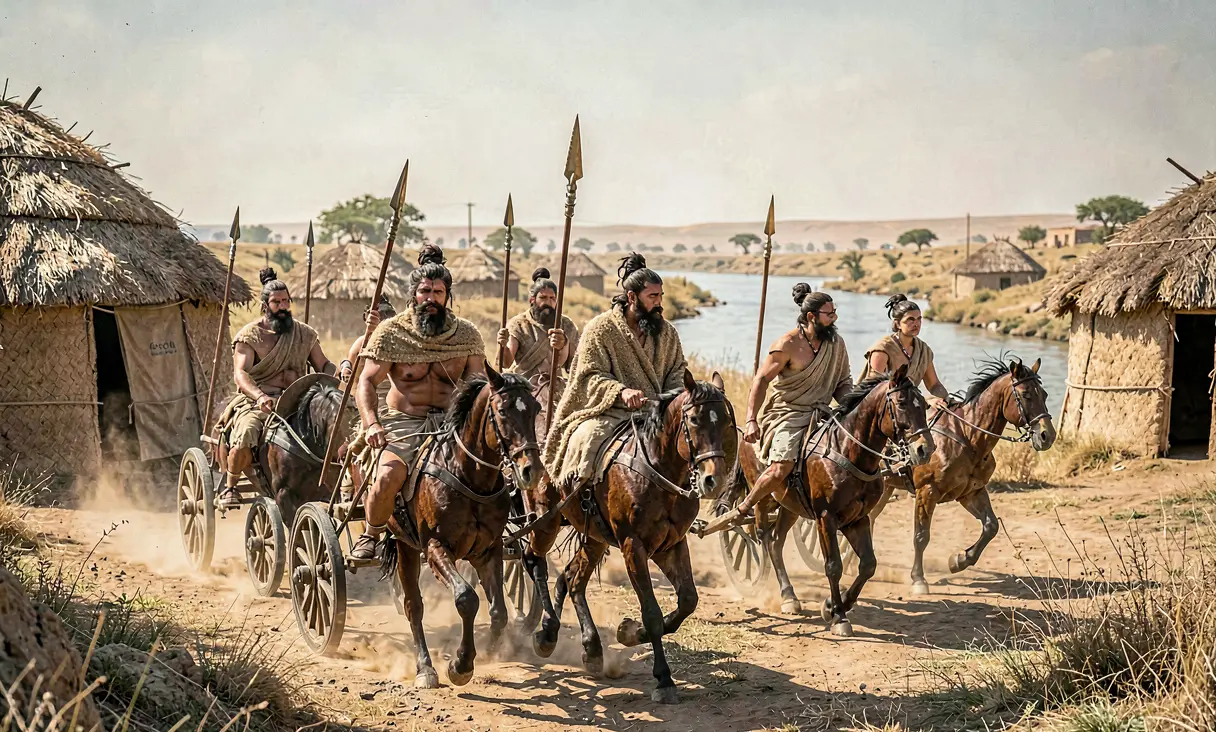
Arrival of Indo-Aryan Speakers in the Punjab
The migration of Indo-Aryan speakers into the Punjab c. 1500 BCE fused steppe pastoralism with local traditions, birthing Vedic culture and reshaping South Asia's linguistic and social fabric forever.
Context: The Post-Urban Landscape
By the mid-second millennium BCE, the sophisticated urban civilization of the Indus Valley had undergone a profound transformation. Major cities such as Mohenjo-Daro and Harappa were largely abandoned or reduced to small settlements, their complex drainage systems and standardized brick architecture falling into disuse. The region, particularly the Punjab (the 'Land of Five Rivers'), was characterized by a fragmented post-urban culture where local traditions persisted but lacked the centralized political cohesion of the earlier era. Into this shifting demographic landscape moved groups of pastoralists from the Eurasian steppes, driven by climatic shifts and population pressures that had long rippled through Central Asia.
The Migration: Steppe Origins and Arrival
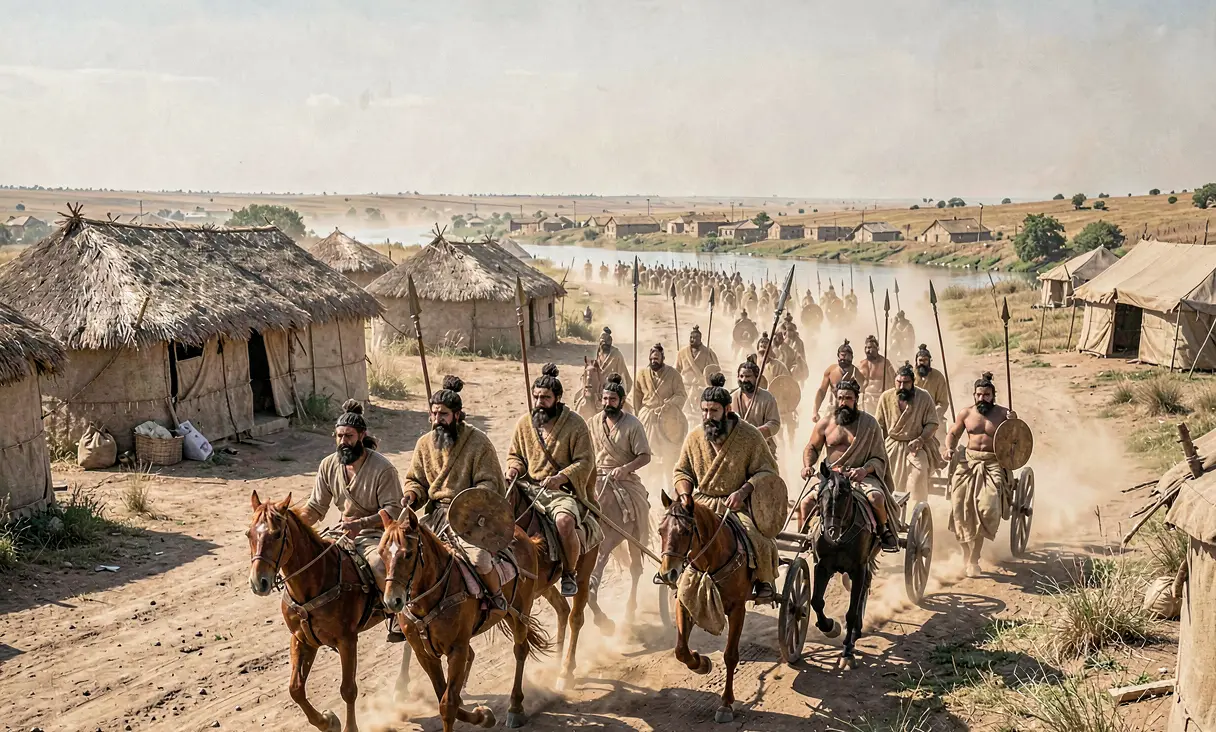
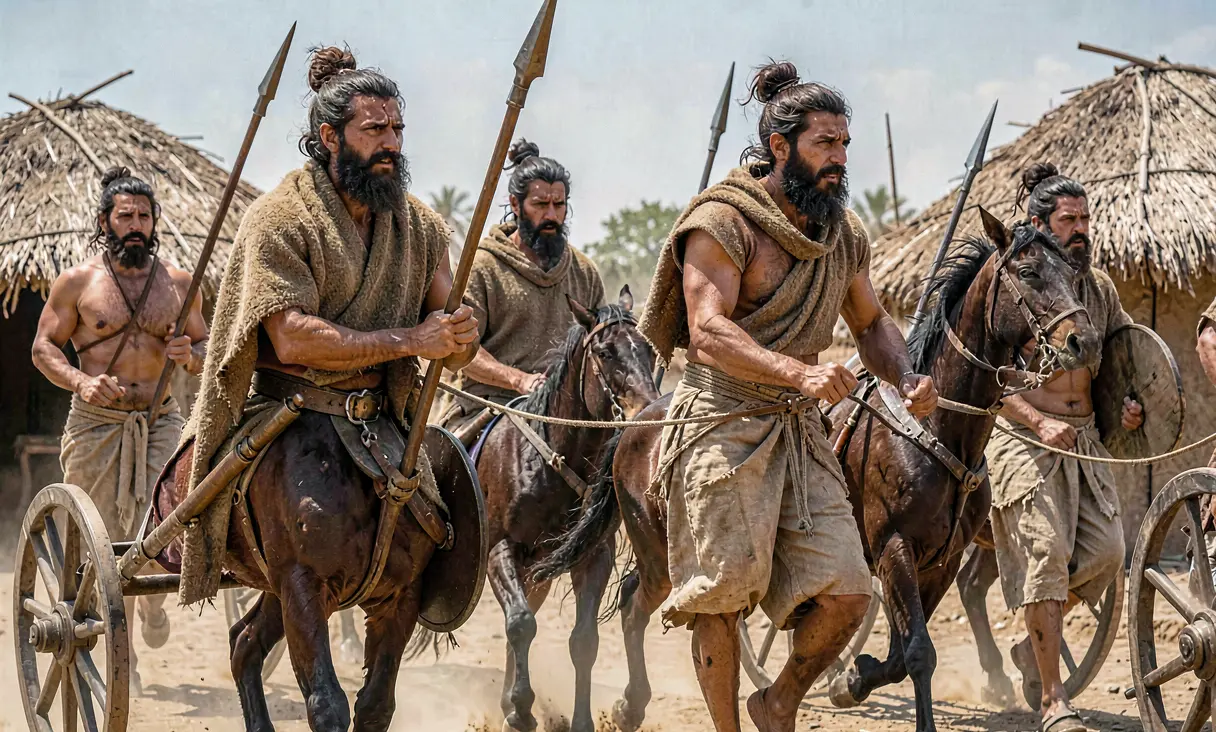
Around 1500 BCE, speakers of early Indo-Aryan languages began their southward migration from the Sintashta and Andronovo cultures of the southern Urals and Kazakhstan. These groups were distinct in their material culture, possessing the domesticated horse (Equus caballus) and the spoked-wheel chariot, technologies that provided significant mobility and military advantage over indigenous populations. They traversed the formidable Hindu Kush mountains, likely entering through the Khyber Pass or other northern corridors, eventually settling in the fertile alluvial plains of the Punjab. This movement was not a singular invasion but a gradual, multi-generational process of infiltration and settlement that reshaped the linguistic map of South Asia.
Cultural Synthesis: The Vedic Horizon
The arrival of these speakers marked the genesis of the Vedic period, defined by an oral tradition that would eventually be codified as the Rigveda. Unlike the script-based administration of the Indus civilization, this new culture was centered on a patriarchal tribal structure led by chieftains known as *Rajas*, whose authority was legitimized through ritual sacrifice (*yajna*) and the accumulation of cattle wealth. The society was stratified into varnas, initially based on function rather than rigid birth, with priests (*Brahmins*), warriors (*Kshatriyas*), and commoners forming the core social units. This synthesis absorbed elements of local Dravidian and Munda cultures, creating a unique hybrid civilization that blended steppe pastoralism with South Asian agricultural practices.
The Nature of Conflict and Assimilation
While early colonial historiography depicted this transition as a violent Aryan conquest that obliterated the Indus people, modern archaeological and genetic evidence suggests a more nuanced reality. The Rigveda itself alludes to conflicts with *Dasyus* or *Dasas*, often interpreted as indigenous groups resisting the newcomers, yet there is little evidence of a sudden, total demographic replacement. Instead, the process appears to have been one of complex assimilation, where Indo-Aryan elites gradually integrated with local populations through intermarriage and cultural osmosis. The horse and chariot remained symbols of elite status for centuries, but the agricultural base and many religious concepts were deeply rooted in the pre-existing traditions of the subcontinent.
Legacy: Foundations of South Asian Civilization
The cultural synthesis initiated in the Punjab around 1500 BCE laid the enduring foundations for classical Indian civilization. The Vedic Sanskrit language evolved into the liturgical and literary backbone of Hinduism, Jainism, and Buddhism, while the social structures established during this period influenced South Asian society for millennia. The shift from urban centers to a rural, pastoral-agricultural economy defined the economic character of the region until the second wave of urbanization in the Ganges plain around 600 BCE. This era fundamentally altered the genetic and linguistic landscape of the subcontinent, introducing Indo-European languages that now dominate northern India and Pakistan.
This migration introduced the Vedic culture and Sanskrit language, fundamentally shaping the religious, linguistic, and social fabric of South Asia.
Where it happened
Punjab Region (modern Pakistan/India) — see it on the interactive map →
Explore related history
 CivilizationEmergence of Norte Chico Urban Centersc. 3000 BCE · Caral-Supe Valley, PeruThe Norte Chico civilization establishes the oldest known cities in the Americas.
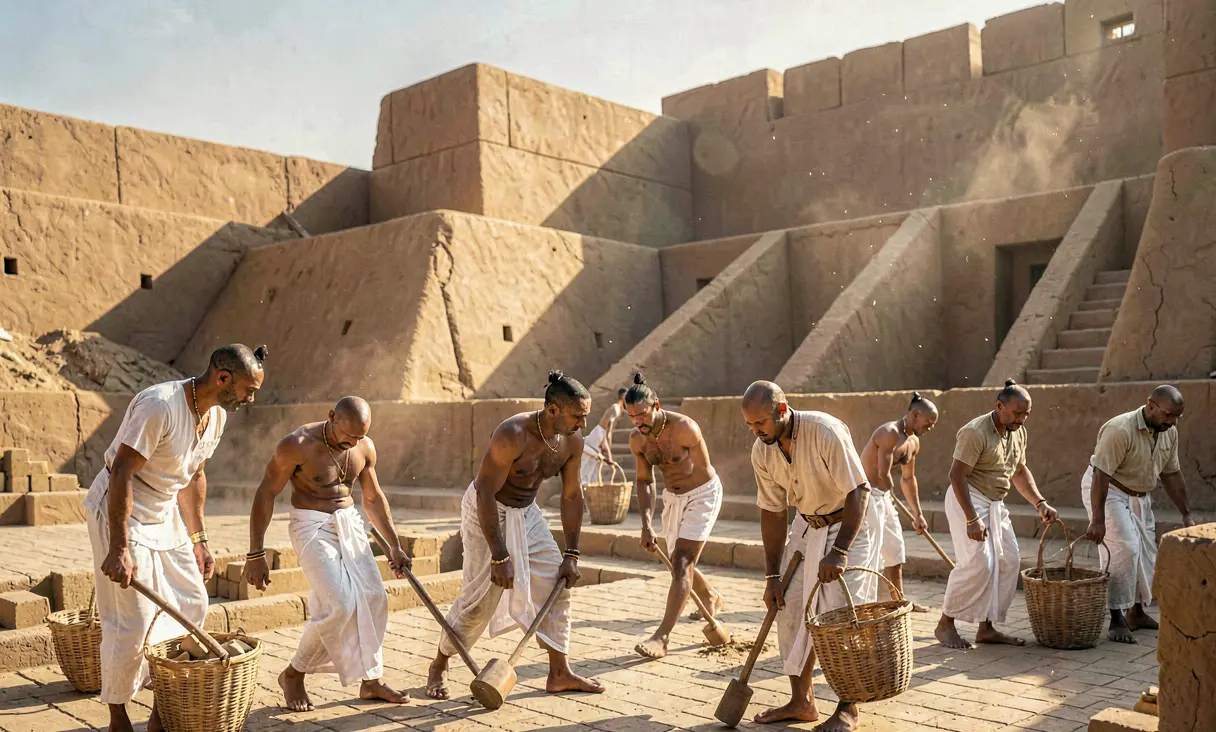 CivilizationUrban Planning of Mohenjo-daroc. 2600 BCE · Mohenjo-daro, PakistanThe Indus Valley Civilization constructs Mohenjo-daro with advanced grid systems and the world's first known urban sanitation.
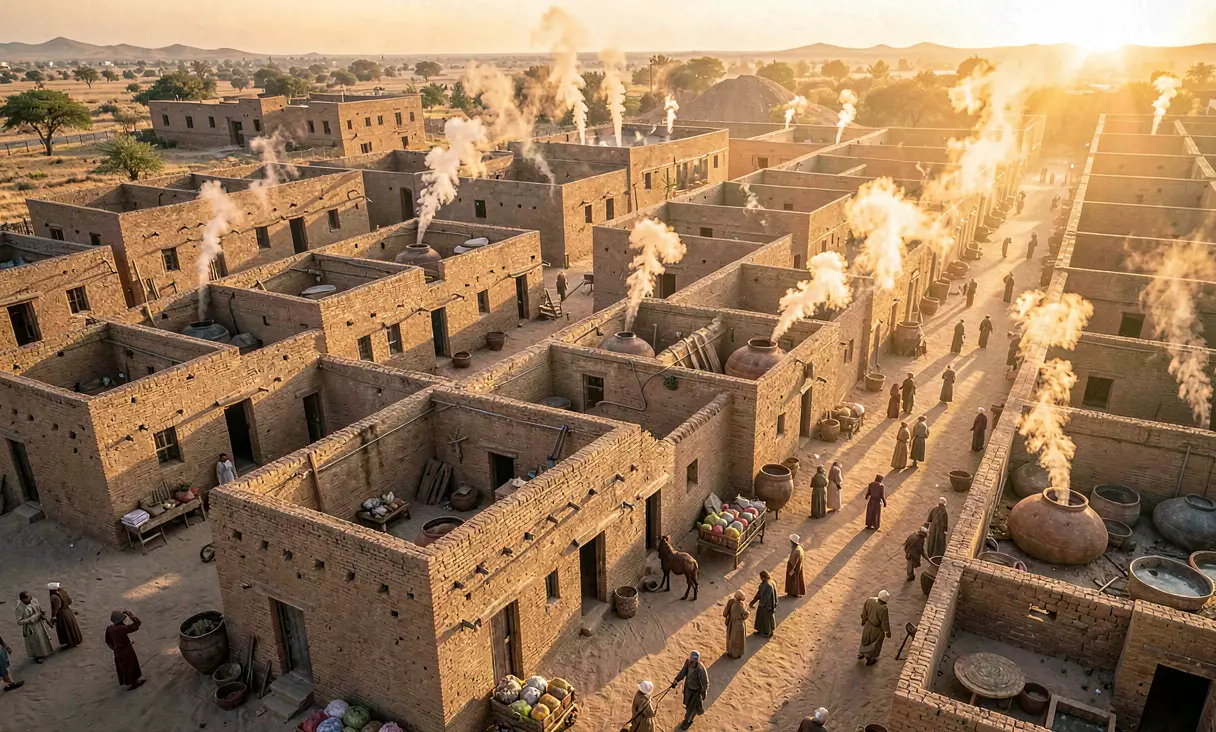 CivilizationUrbanization of Harappa and Mohenjo-daroc. 2600 BCE · Harappa and Mohenjo-daro, Indus Valley (modern Pakistan)The mature Harappan phase begins, establishing the first large-scale urban centers in South Asia with advanced grid planning.
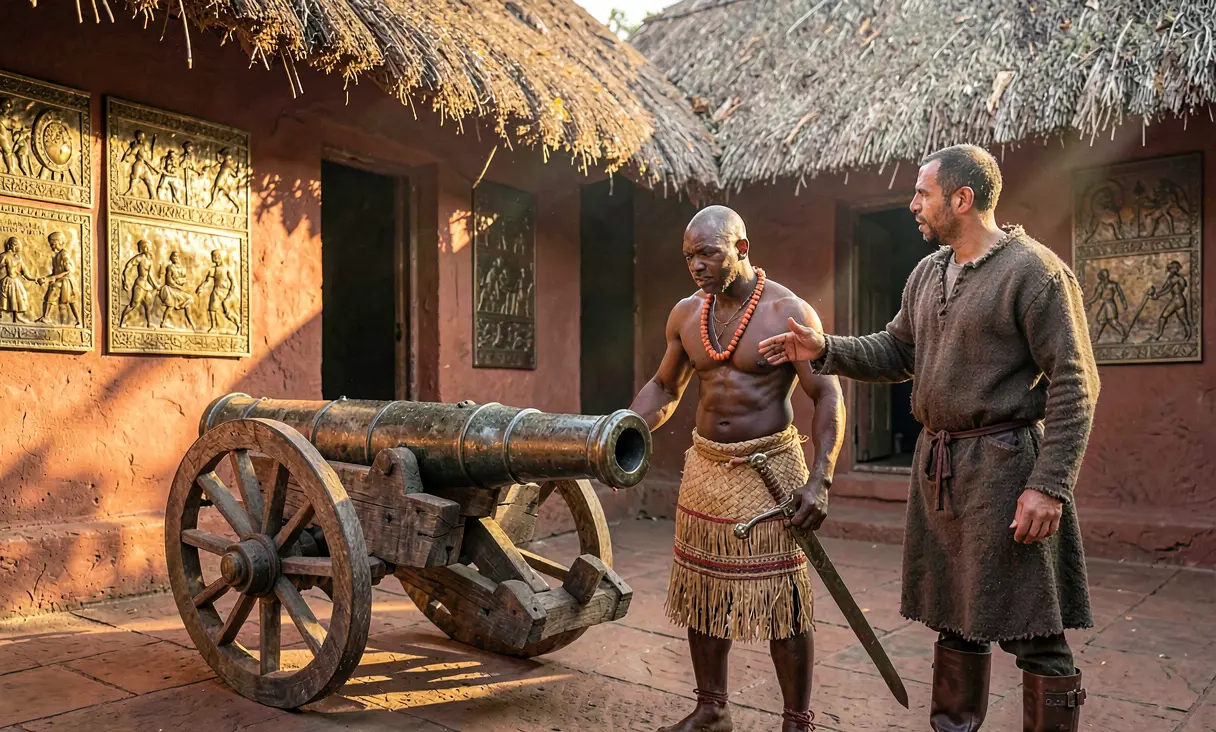 TechnologyBenin Acquires Cannon Technology from Portugalc. 1500 CE · Benin City, NigeriaThe Kingdom of Benin integrates Portuguese cannon technology into its military arsenals.
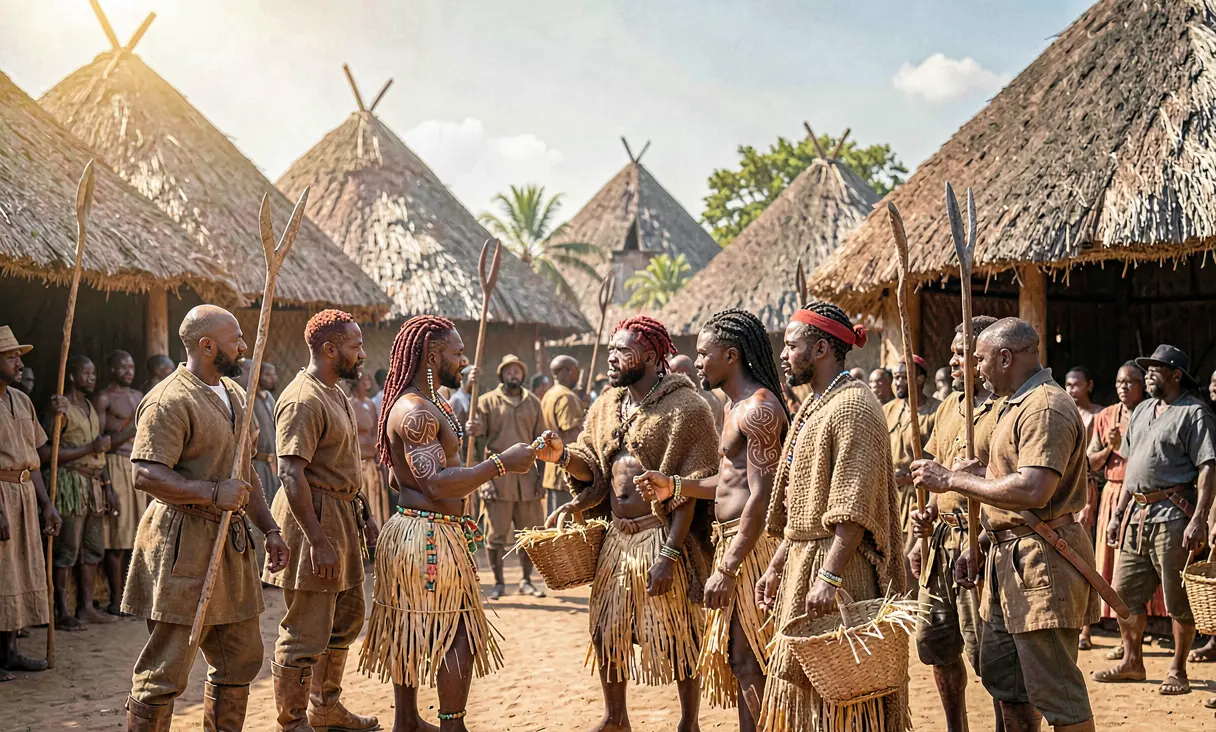 PoliticsKingdom of Kongo Engages in Large-Scale Slave Tradec. 1500 CE · Mbanza Kongo, AngolaThe Kingdom of Kongo begins exporting significant numbers of captives to Portuguese traders in exchange for goods.
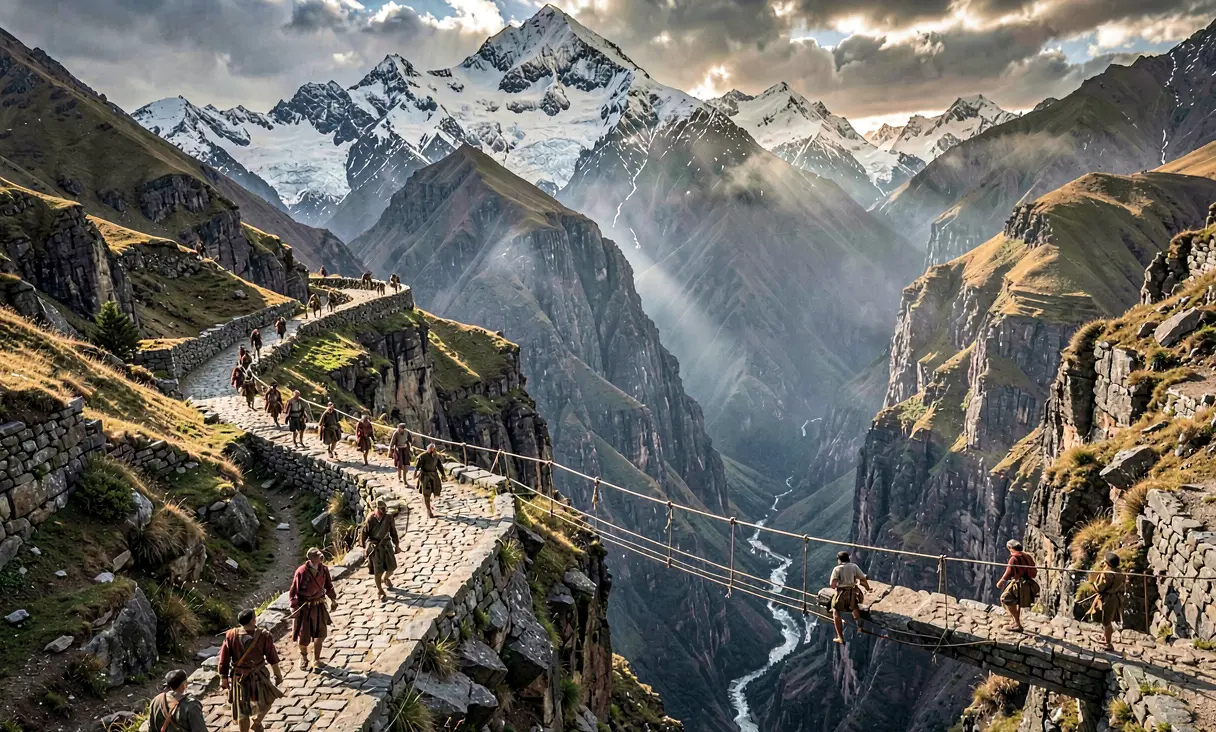 TechnologyCompletion of the Qhapaq Ñan Road Networkc. 1500 CE · Andes Mountains (Various), Peru/ChileThe Inca finalize the vast road system connecting their empire.
Discussion
Loading…