Apollo 11 Moon Landing
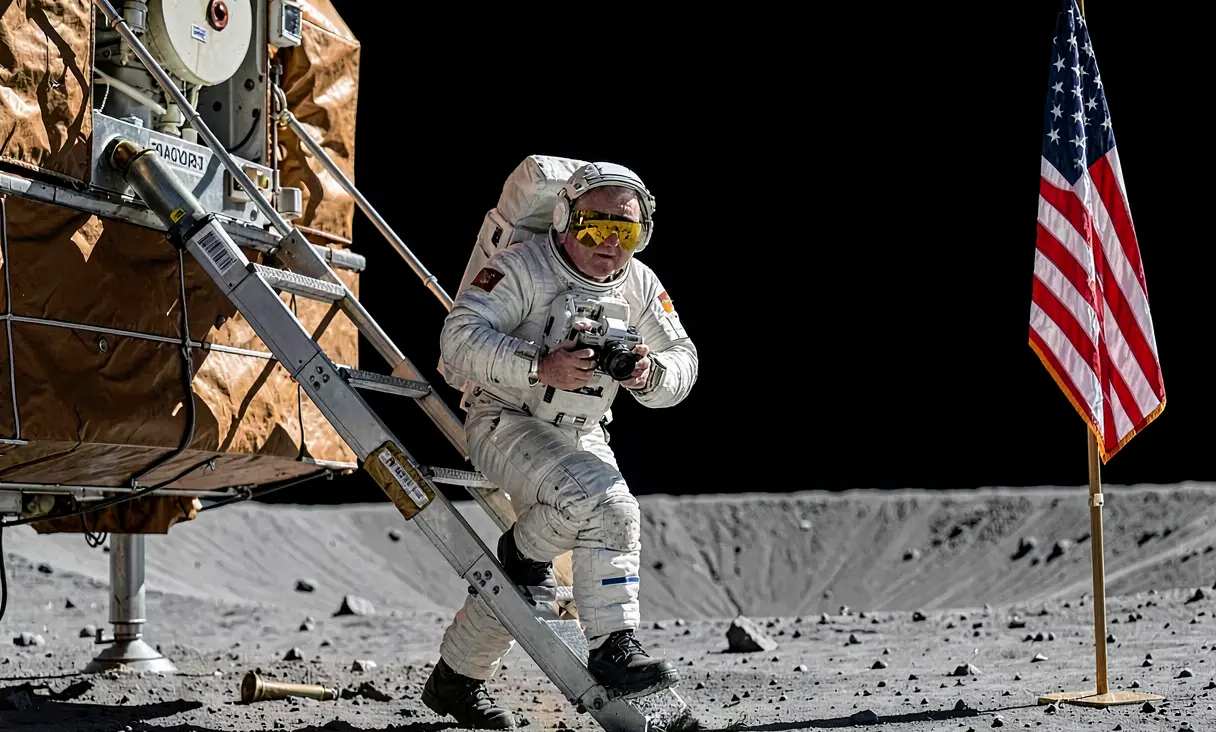
Apollo 11 successfully landed humans on the Moon for the first time in history, ending the Space Race and proving humanity could transcend Earth's gravity.
Cold War Context and the Space Race
The Apollo 11 mission was not merely a scientific endeavor but the culmination of a geopolitical struggle that defined the mid-20th century. Following the Soviet Union's launch of Sputnik in 1957 and Yuri Gagarin's historic orbital flight in 1961, the United States faced intense pressure to demonstrate technological superiority. President John F. Kennedy's May 1961 address to Congress set an audacious goal: landing a man on the Moon and returning him safely to Earth before the decade's end. This directive mobilized over 400,000 engineers, scientists, and technicians across the nation, transforming the National Aeronautics and Space Administration (NASA) into a colossal engine of innovation centered at the Kennedy Space Center in Florida.
The Launch and Translunar Injection
On July 16, 1969, at 09:32 EDT, the massive Saturn V rocket, standing 363 feet tall, roared to life from Launch Complex 39A. Carrying astronauts Neil Armstrong, Michael Collins, and Buzz Aldrin, the vehicle delivered a staggering 7.5 million pounds of thrust, lifting the three-person crew into low Earth orbit before executing the critical Translunar Injection burn. The journey to the Moon took approximately three days, during which the crew performed routine systems checks and navigational adjustments. Upon reaching lunar orbit on July 19, Armstrong and Aldrin transferred into the Lunar Module 'Eagle,' while Collins remained in the Command Module 'Columbia' to maintain orbital support.
The Descent and Landing in the Sea of Tranquility
On July 20, 1969, at 20:17 UTC, the Eagle touched down on the lunar surface with only seconds of fuel remaining. The landing site was located in the Mare Tranquillitatis (Sea of Tranquility), a region chosen for its relative flatness and safety. During the automated descent, the onboard computer triggered alarm codes due to an overload of data, forcing Armstrong to take manual control. He skillfully piloted the module over a boulder field, finding a clear patch of regolith just as fuel levels reached critical lows. The successful landing marked the first time humans had set foot on another celestial body, ending the race with a definitive American victory.
The First Steps and Human Achievement
Six hours after landing, at 02:56 UTC on July 21, Neil Armstrong descended the ladder of the Eagle. Upon touching the lunar soil, he delivered one of history's most famous declarations: 'That's one small step for [a] man, one giant leap for mankind.' Aldrin joined him shortly after, describing the surface as 'magnificent desolation.' Together, they spent approximately two and a half hours outside the spacecraft, deploying scientific instruments, collecting 47.5 pounds (21.5 kg) of lunar samples, and planting the American flag. Their activities were broadcast to an estimated 600 million people worldwide, creating a shared global experience of unprecedented magnitude.
Return to Earth and Global Reaction
Following their surface operations, Armstrong and Aldrin launched the Eagle's ascent stage back to rendezvous with Collins in lunar orbit. The three astronauts then began the return journey to Earth, splashing down safely in the Pacific Ocean on July 24, 1969, after a voyage lasting 8 days, 3 hours, and 18 minutes. They were immediately quarantined in the Mobile Quarantine Facility aboard the recovery ship USS Hornet to ensure no lunar pathogens had been brought back, a precaution that was later deemed unnecessary. The mission's success sparked global celebrations, with dignitaries from over 50 nations congratulating the United States, effectively shifting the narrative of the Cold War toward peaceful competition.
Legacy and Enduring Significance
The Apollo 11 mission fundamentally altered humanity's perception of its place in the universe, proving that interplanetary travel was achievable. It catalyzed massive advancements in computer science, materials engineering, and telecommunications, many of which permeated everyday life in subsequent decades. Beyond technology, the event inspired generations to pursue careers in STEM fields, fostering a global culture of exploration. While political tides eventually turned away from lunar missions after 1972, the legacy of Apollo 11 remains the definitive benchmark for human achievement, serving as an enduring symbol of what is possible when international cooperation and scientific ambition converge.
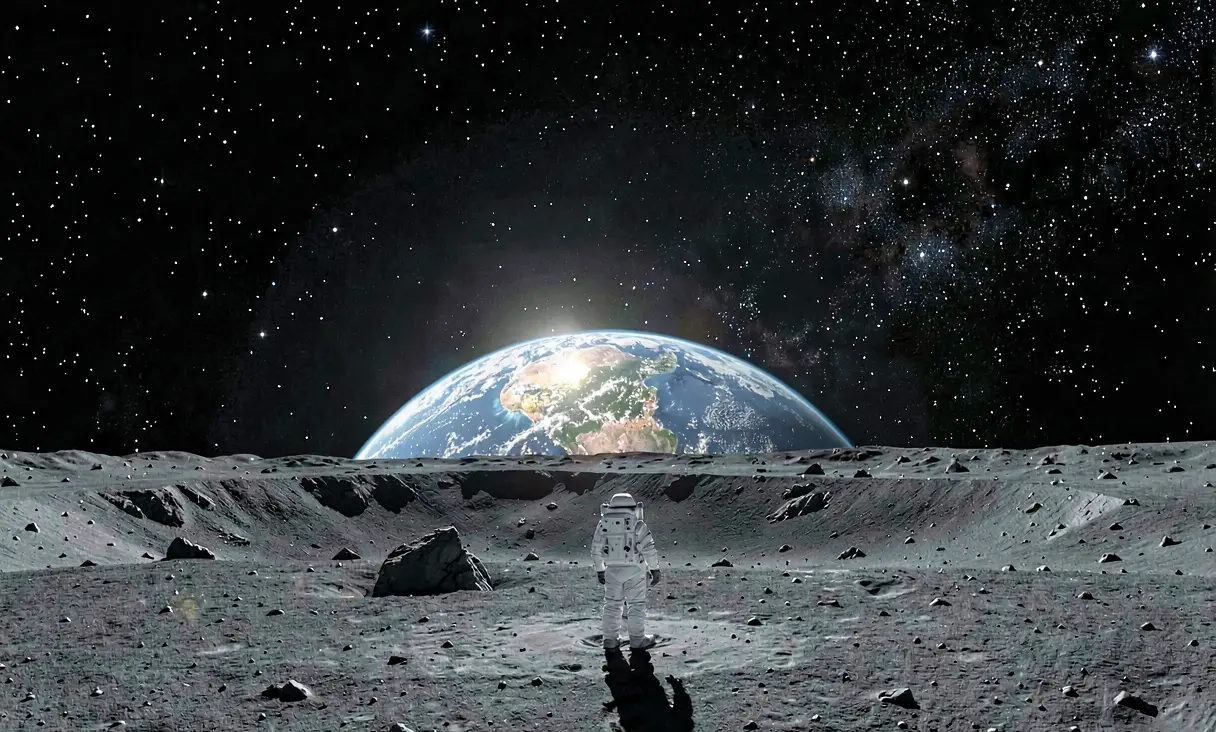
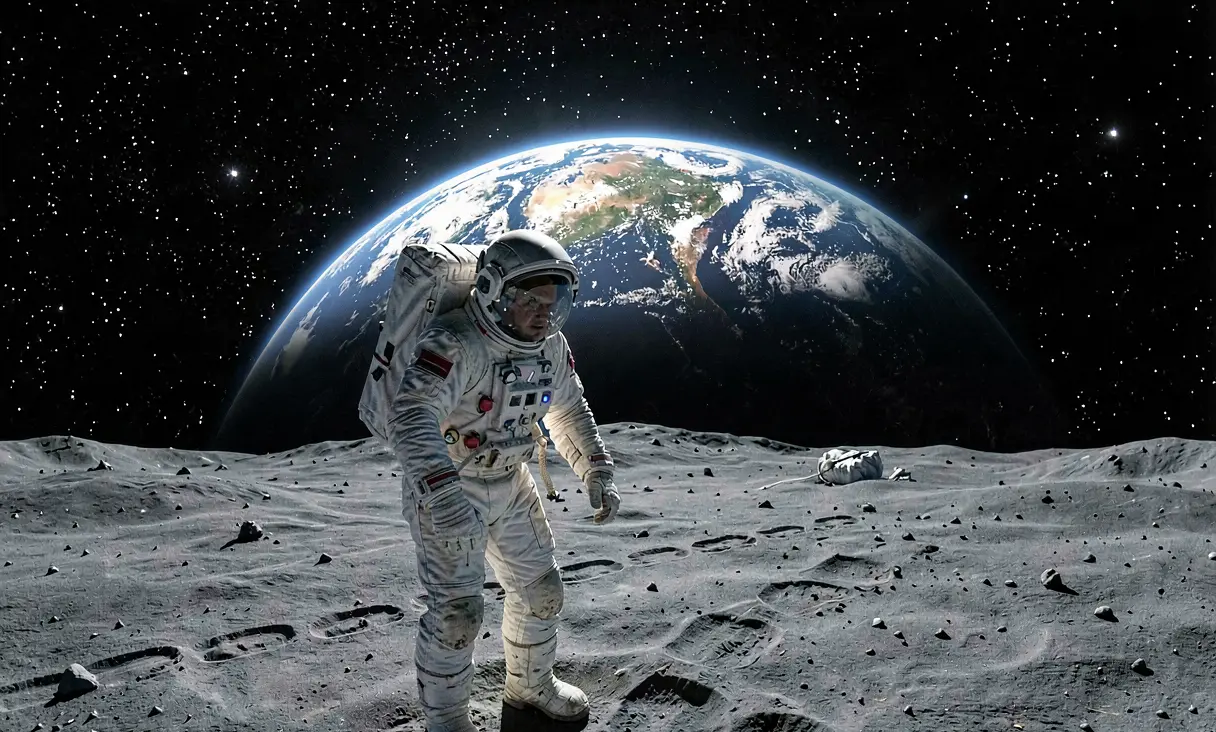
It achieved the first extraterrestrial human presence in history.
Where it happened
Cape Canaveral, USA — see it on the interactive map →
Explore related history
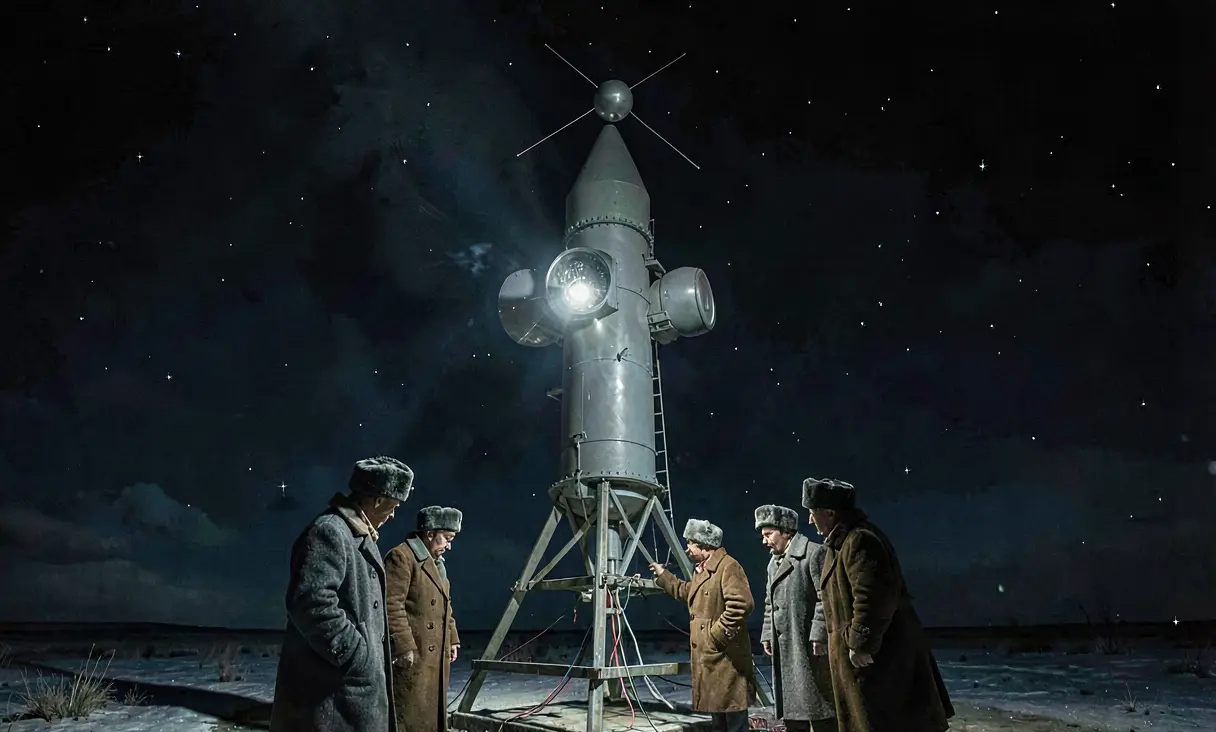 TechnologyLaunch of Sputnik 1October 4, 1957 · Baikonur Cosmodrome, Kazakhstan (USSR)Soviet Union launches first artificial satellite, starting the Space Age.
 ScienceDiscovery of DNA StructureFebruary 28, 1953 CE · Cambridge, EnglandWatson and Crick identify the double helix structure of DNA revealing genetic code.
 DisasterChernobyl Nuclear DisasterApril 26, 1986 CE · Pripyat, UkraineReactor explosion releases radiation contaminating large parts of Europe.
Discussion
Loading…