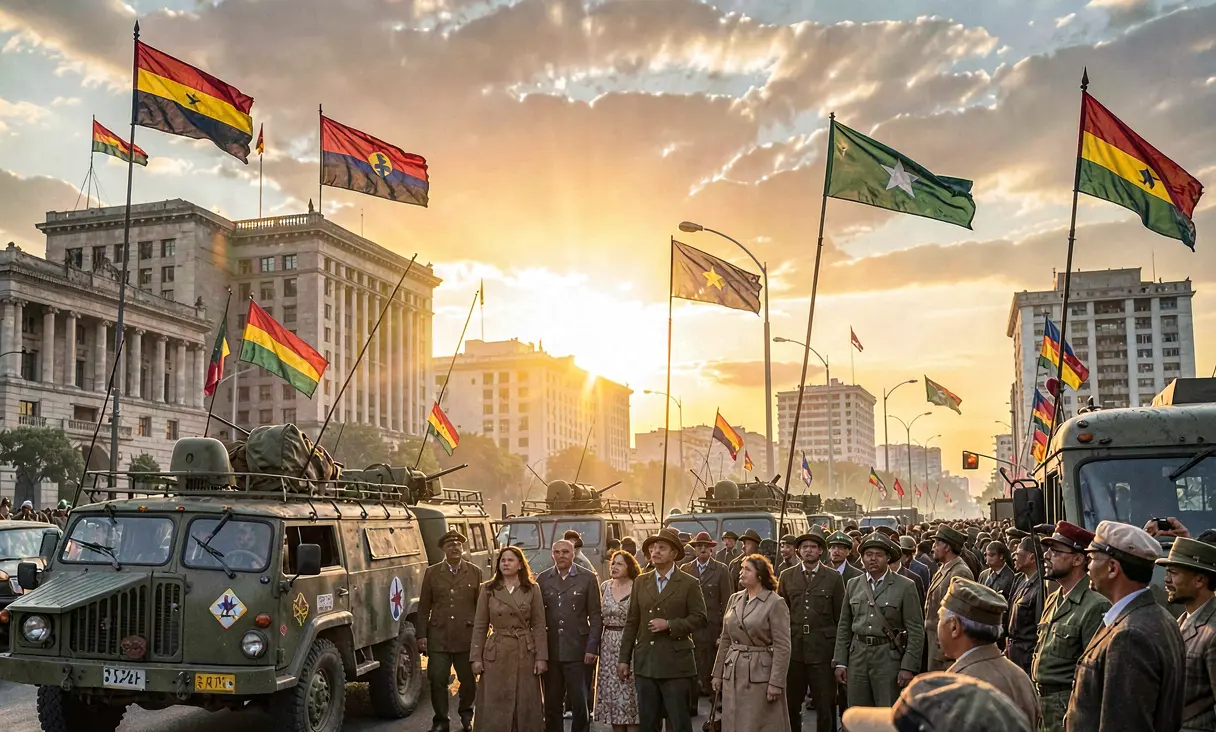
Angolan War of Independence Ends
Angola's November 1975 independence sparked an immediate civil war that transformed a local struggle into a devastating Cold War proxy conflict involving Cuba, South Africa, the US, and the USSR.
The Collapse of Portuguese Colonialism
The path to Angolan independence was paved by the seismic political shift in Lisbon known as the Carnation Revolution on April 25, 1974. This bloodless coup overthrew the authoritarian Estado Novo regime, ending decades of costly colonial wars across Africa and fundamentally altering Portugal's foreign policy. The new democratic government, eager to dismantle its empire, initiated immediate negotiations with Angolan nationalist movements. These talks culminated in the Alvor Agreement, signed on January 15, 1975, which established a transitional coalition government and set November 11, 1975, as the official date for full sovereignty.
The Tripartite Struggle for Power
Despite the formal agreement, the political landscape was fractured by three distinct liberation movements, each with competing visions and foreign backers. The Popular Movement for the Liberation of Angola (MPLA), led by Agostinho Neto, drew support from urban intellectuals and the Mbundu ethnic group, aligning ideologically with Marxism-Leninism. Rivaling them were the National Front for the Liberation of Angola (FNLA) under Holden Roberto, which commanded rural backing in the north and received Zairean and American support, and the National Union for the Total Independence of Angola (UNITA), led by Jonas Savimbi, which mobilized the Ovimbundu people in the central highlands. The Alvor Agreement's provision for a power-sharing government collapsed almost immediately as these factions turned on one another.
The Battle for Luanda
In the months leading up to independence, the fragile coalition disintegrated into open warfare. By August 1975, FNLA and UNITA forces, bolstered by South African military intervention under Operation Savannah, launched a coordinated offensive toward the capital, Luanda. The MPLA, initially on the defensive, secured critical support from Cuba, which began airlifting troops in October to reinforce Neto's government. As the date of independence approached, the fighting intensified around Luanda. On November 10, the day before independence, coalition forces were repelled from the city's outskirts, allowing the MPLA to declare the nation's sovereignty unilaterally.
November 11: Independence and Immediate Fragmentation
On November 11, 1975, in a ceremony at the Palácio do Governo in Luanda, Agostinho Neto proclaimed the independence of the People's Republic of Angola. Simultaneously, Holden Roberto declared the establishment of the Democratic Republic of Angola from Ambriz, and Jonas Savimbi announced the formation of the Social Democratic Party of Angola (later UNITA) in Huambo. The international community was deeply divided: the Soviet Union and Cuba recognized Neto's government immediately, while the United States and South Africa supported the rival factions. This formal declaration did not mark a new era of peace but rather the commencement of one of the longest and most destructive civil wars of the 20th century.
The Globalization of a Local Conflict
The Angolan conflict rapidly evolved into a quintessential proxy war of the Cold War. The Soviet Union provided massive military aid to the MPLA, while Cuba deployed over 30,000 troops to secure the capital and later defend against South African incursions. Conversely, the United States, fearing communist expansion in Southern Africa, funneled millions of dollars through the CIA to the FNLA and UNITA. South Africa's apartheid regime intervened directly to prevent a Marxist state on its border and to destabilize the ANC's external bases. This internationalization turned Angola into a major battlefield where superpower ideologies clashed with devastating local consequences.
Decades of Devastation and Legacy
The war that began in 1975 persisted for nearly three decades, only concluding with the death of Jonas Savimbi in 2002. The conflict claimed an estimated 500,000 to 800,000 lives and displaced millions more, leaving Angola's infrastructure in ruins and its economy dependent on oil and diamonds. Landmines laid during the fighting rendered vast tracts of agricultural land unusable for generations. While the MPLA maintained control of the state throughout the conflict, the war defined Angola's geopolitical alignment as a Soviet/Cuban ally and left a legacy of deep social trauma that continues to influence the nation's political and economic landscape today.
Angola's independence marked the end of Portuguese colonialism in Africa but initiated a prolonged civil war that shaped Southern African geopolitics for decades.
Where it happened
Luanda, Angola — see it on the interactive map →
Explore related history
 PoliticsSargon of Akkad Establishes the First Empirec. 2334 BCE · Akkad (Location uncertain, near Baghdad, Iraq)Sargon unifies Sumerian city-states to create the world's first multi-ethnic empire.
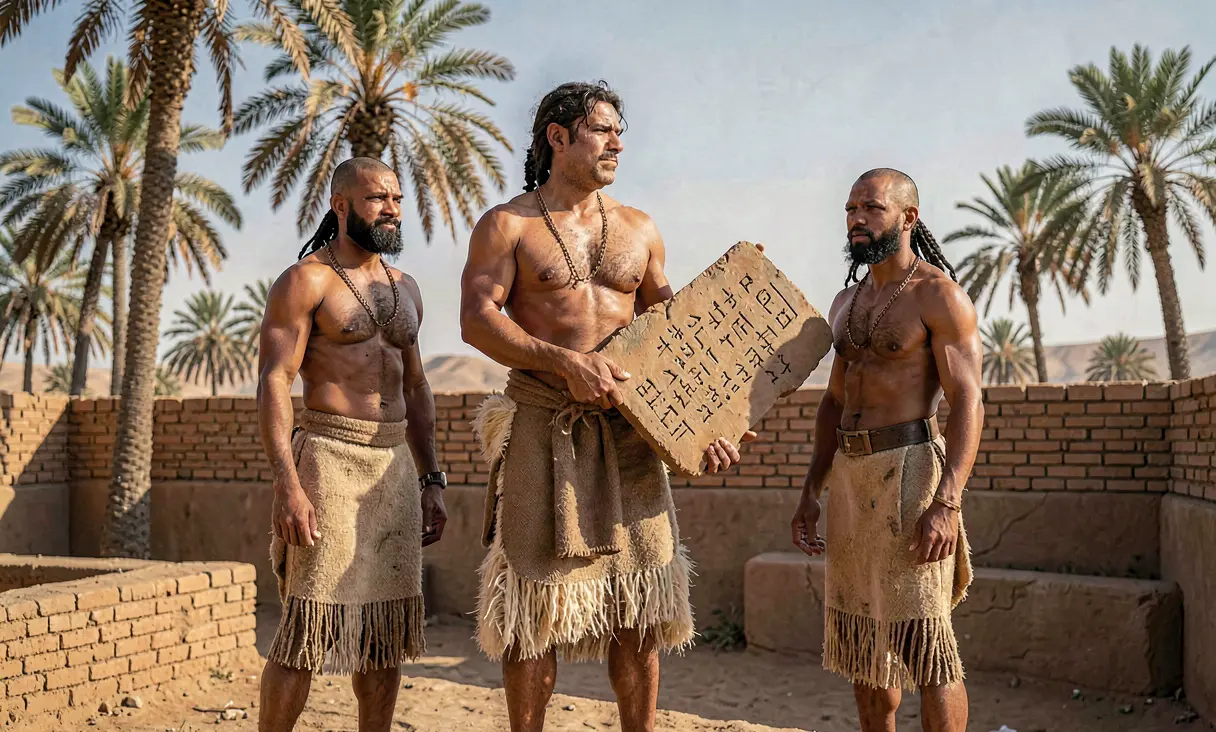 PoliticsPromulgation of the Code of Ur-Nammuc. 2100 BCE · Ur, Southern Mesopotamia (Iraq)The earliest known surviving law code is established in the Sumerian city of Ur.
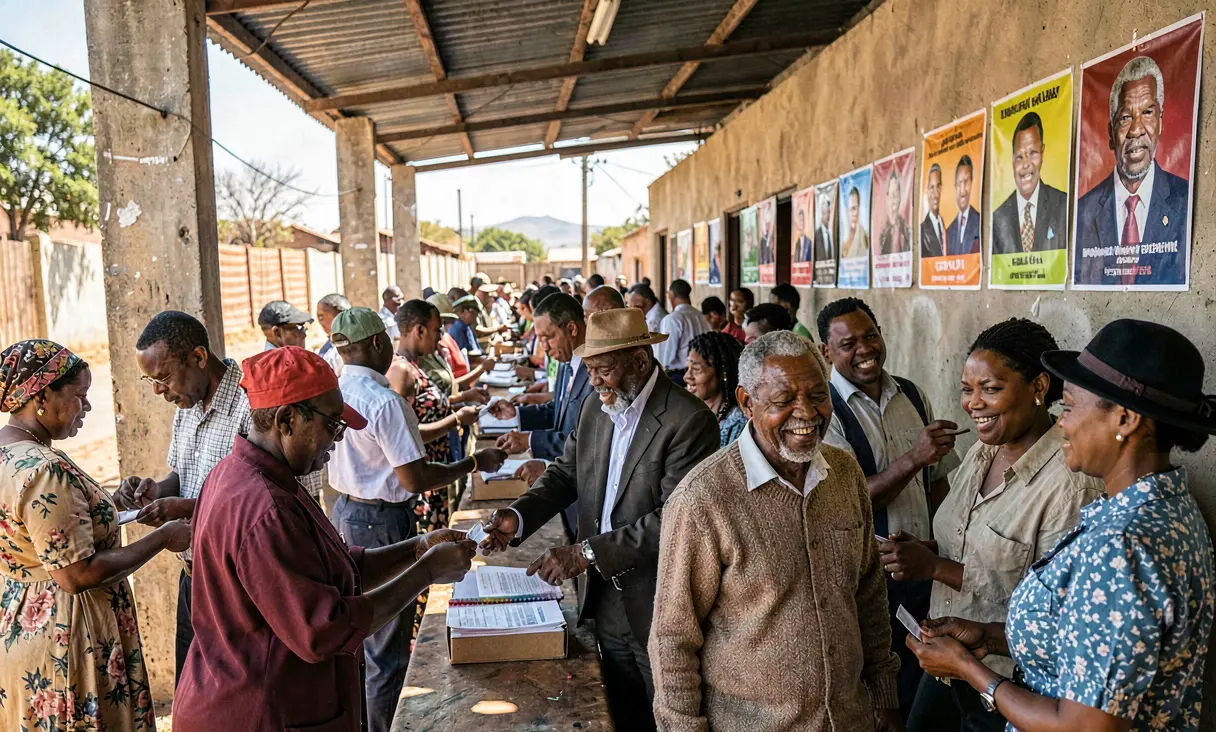 PoliticsNelson Mandela Elected President of South AfricaApril 27, 1994 · Cape Town, South AfricaSouth Africa holds its first democratic election, ending the apartheid regime and establishing a multiracial government.
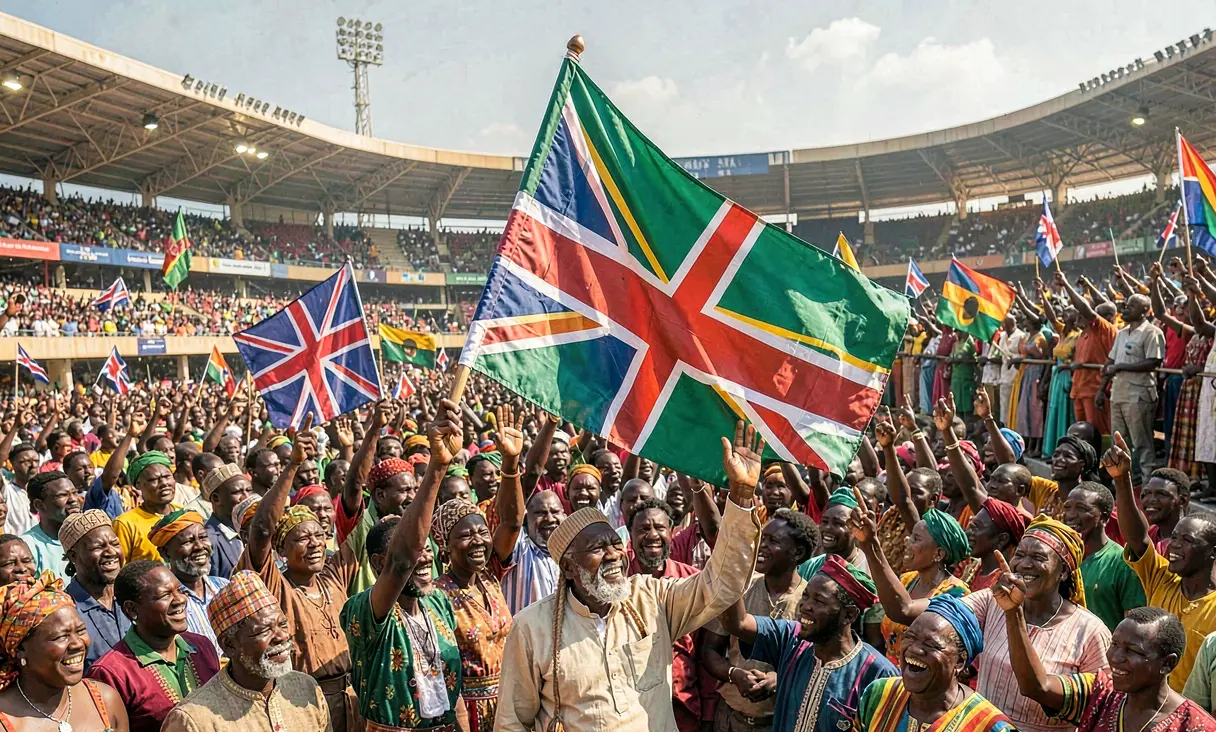 PoliticsZimbabwe Gains Independence from BritainApril 18, 1980 · Harare, ZimbabweRobert Mugabe leads the transition from Rhodesia to the independent nation of Zimbabwe.
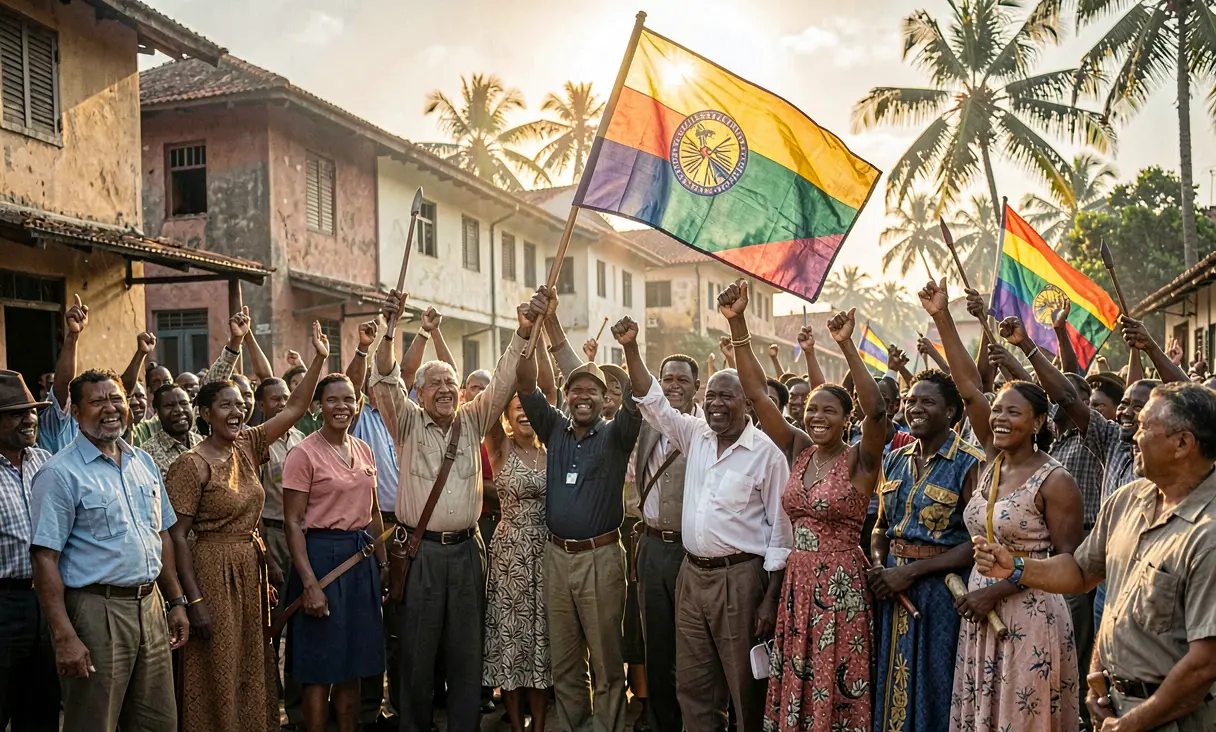 PoliticsCongo Gains Independence from BelgiumJune 30, 1960 · Kinshasa, Congo (DRC)The Belgian Congo becomes the independent Republic of the Congo, sparking immediate political turmoil.
 PoliticsGhana Gains Independence from BritainMarch 6, 1957 · Accra, GhanaKwame Nkrumah leads the Gold Coast to become the first sub-Saharan African nation to gain independence from colonial rule.
Discussion
Loading…