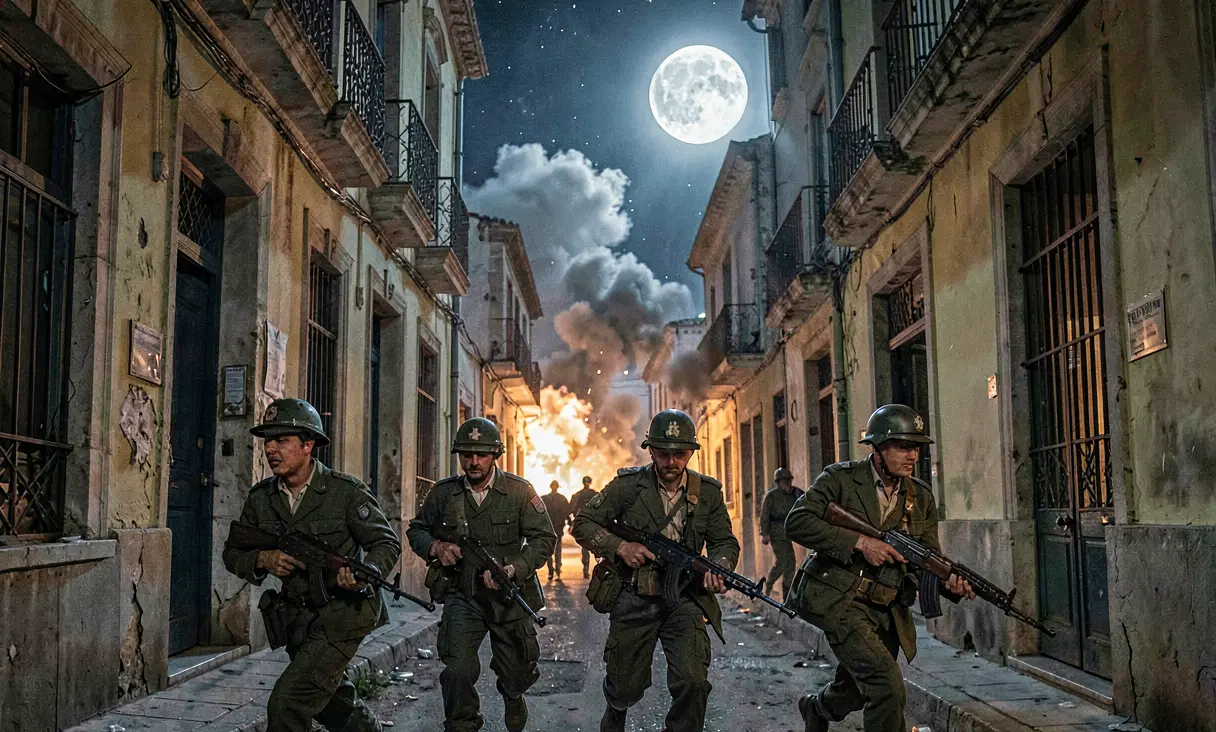
Algerian War of Independence Begins
The November 1954 uprising by the FLN ignited an eight-year brutal war that ended French colonial rule in Algeria, triggering a massive refugee crisis and reshaping the geopolitical map of North Afric
The Crumbling of Colonial Order
By the mid-20th century, Algeria was not merely a colony but legally an integral part of France, divided into three departments: Algiers, Oran, and Constantine. Yet, this legal fiction masked a stark reality of systemic inequality. The indigenous Muslim population, numbering nearly nine million, lived under a discriminatory code that denied them full citizenship rights, while the one million European settlers, known as *pieds-noirs*, dominated the economy and political life. The trauma of World War II further inflamed tensions; Algerian soldiers had fought for France in Europe, only to return to a homeland where their contributions were ignored. The massacre at Sétif on May 8, 1945, where French authorities killed thousands of demonstrators celebrating V-E Day, shattered any remaining illusions of peaceful reform, convincing nationalist leaders that armed struggle was the only path to sovereignty.
The Night of Broken Windows
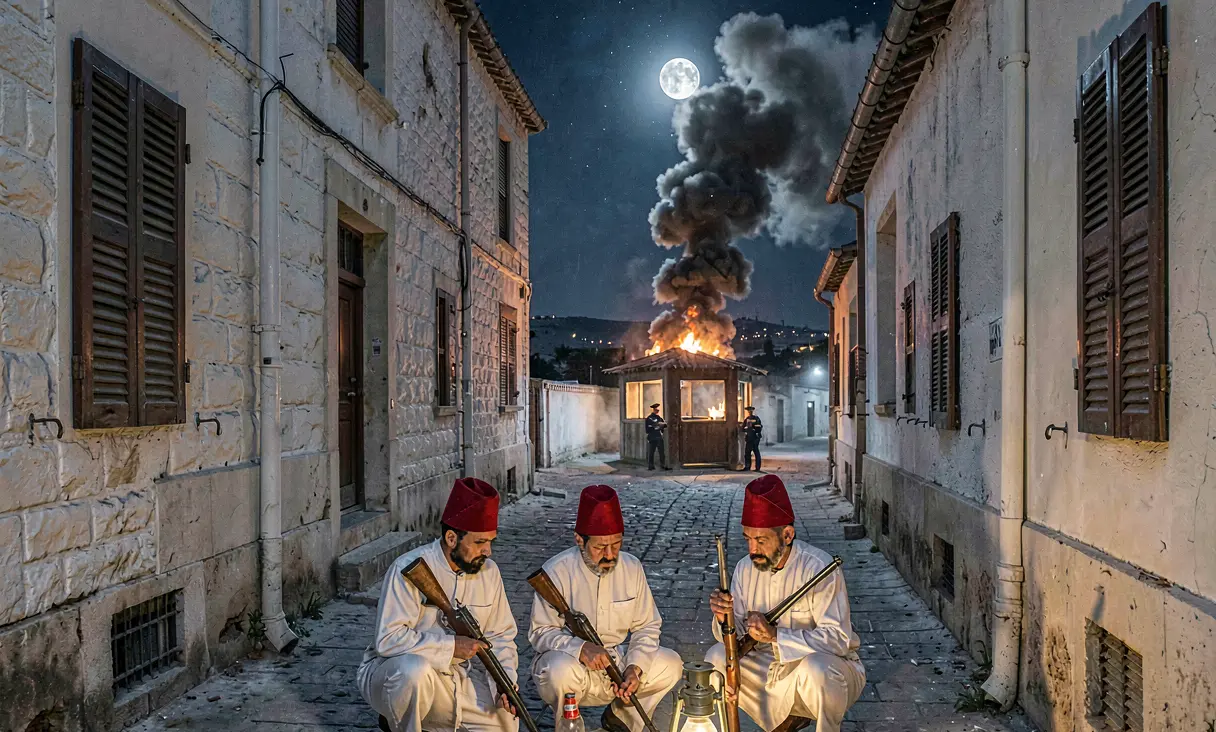
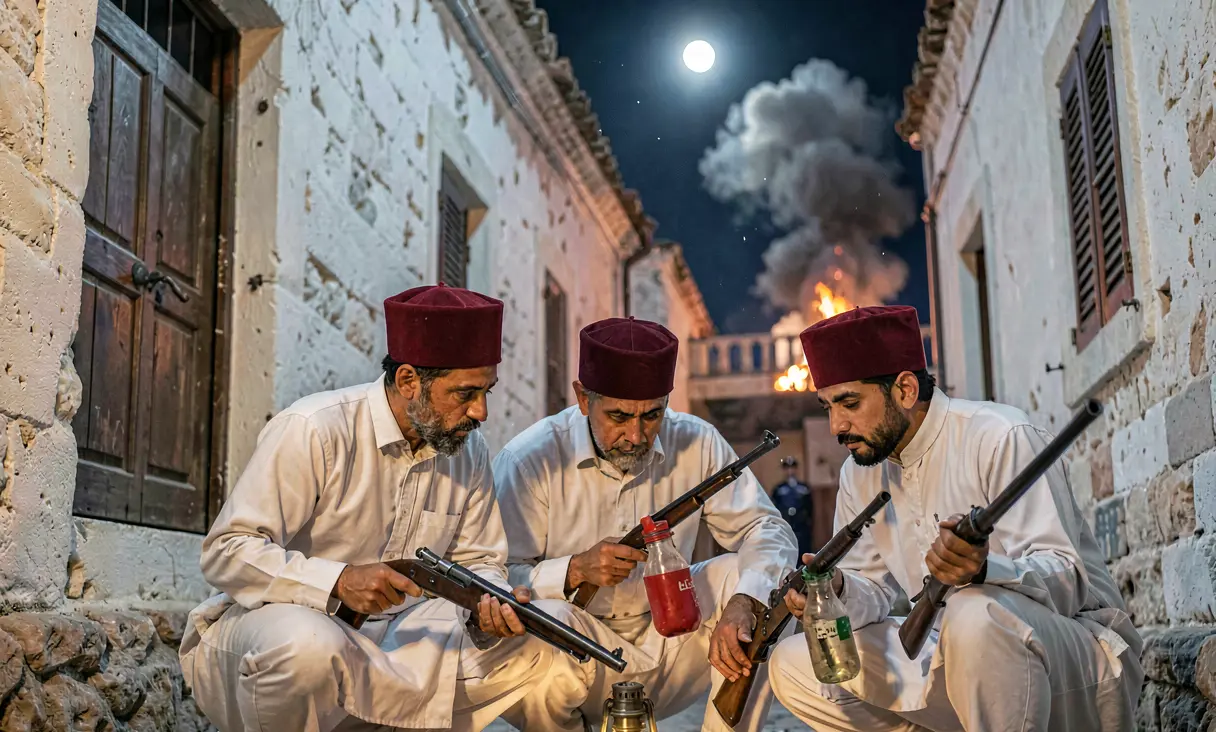
On the night of November 1, 1954, All Saints' Day, a coordinated series of attacks erupted across Algeria, marking the official commencement of the Algerian War. The Front de Libération Nationale (FLN), a newly formed umbrella organization uniting disparate nationalist factions, claimed responsibility through its manifesto, 'The Call to the Algerian People.' Simultaneous bombings targeted police stations, government buildings, and agricultural centers in the Aurès Mountains, the Mitidja plain, and the capital, Algiers. The attacks were designed not for territorial gain but to shatter the myth of French invincibility and force the metropolitan power into a costly war of attrition. Among the first targets was the police station at Batna, where FLN commandos killed several officers, signaling that the era of negotiation had ended and the revolution had begun.
Architects of Revolution
The insurgency was orchestrated by a group of twenty-three men who formed the Comité Révolutionnaire d'Unité et d'Action (CRUA), which soon evolved into the FLN. Key figures included Ahmed Ben Bella, a former French army corporal who would later become Algeria's first president; Hocine Aït Ahmed, a charismatic intellectual from the Kabylie region; and Mohammed Boudiaf, known for his strategic acumen. These leaders operated in secrecy, often fleeing to Cairo or Tunis to organize support, while on the ground, commanders like Larbi Ben M'hidi directed guerrilla operations with ruthless efficiency. Their ability to unify the fractured nationalist movement under a single banner was crucial, transforming local grievances into a cohesive national liberation struggle that would eventually encompass nearly every sector of Algerian society.
A War of Asymmetry and Brutality
The conflict evolved rapidly from rural guerrilla warfare to urban terrorism and counter-insurgency. The FLN established the National Liberation Army (ALN) in the countryside, while the 'Battle of Algiers' (1956-1957) saw the organization of urban commandos who targeted civilians and police alike. In response, France deployed over 400,000 troops, implementing harsh tactics including mass internment, forced resettlement of rural populations into camps, and systematic torture to extract intelligence. The use of torture by French paratroopers under General Jacques Massu became a defining moral scar of the war, drawing international condemnation while failing to crush the insurgency. By 1958, the conflict had destabilized the Fourth Republic in Paris, contributing directly to its collapse and the return of Charles de Gaulle to power.
The Path to Evian
As the war dragged on for eight years, costing an estimated 1.5 million Algerian lives and leaving deep scars on French society, public opinion in France began to fracture. De Gaulle, initially seen as a savior of colonial interests, eventually recognized that Algeria could not be held by force alone. Following years of brutal fighting and diplomatic maneuvering, negotiations finally commenced in Evian-les-Bains. On March 18, 1962, the Évian Accords were signed, establishing an immediate ceasefire and outlining a referendum on self-determination. The agreement marked the end of French sovereignty over Algeria, acknowledging the right of the Algerian people to determine their own future after more than a century of colonial rule.
A Legacy of Exodus and Identity
The immediate aftermath of independence triggered one of the largest mass migrations in modern history. Fearing retribution, nearly 900,000 *pieds-noirs* fled Algeria for France within months, leaving behind homes, businesses, and a century of cultural imprint. Simultaneously, thousands of Algerian *harkis*, Muslims who had fought alongside the French army, were abandoned to brutal reprisals by FLN forces. The war fundamentally reshaped the geopolitical landscape of North Africa and the Mediterranean, ending the era of classical European colonialism in the region. For France, it forced a painful reckoning with its imperial past, while for Algeria, it forged a unified national identity born from blood and sacrifice, setting the stage for decades of post-colonial nation-building under the FLN's one-party rule.
The Algerian War was the most significant anti-colonial conflict of the mid-20th century, ending French imperial power in Africa and inspiring liberation movements globally.
Where it happened
Algiers, Algeria — see it on the interactive map →
Explore related history
 WarMau Mau Uprising Begins in KenyaOctober 20, 1952 · Nairobi, KenyaThe Kikuyu-led Mau Mau rebellion begins against British colonial rule and white settler land ownership.
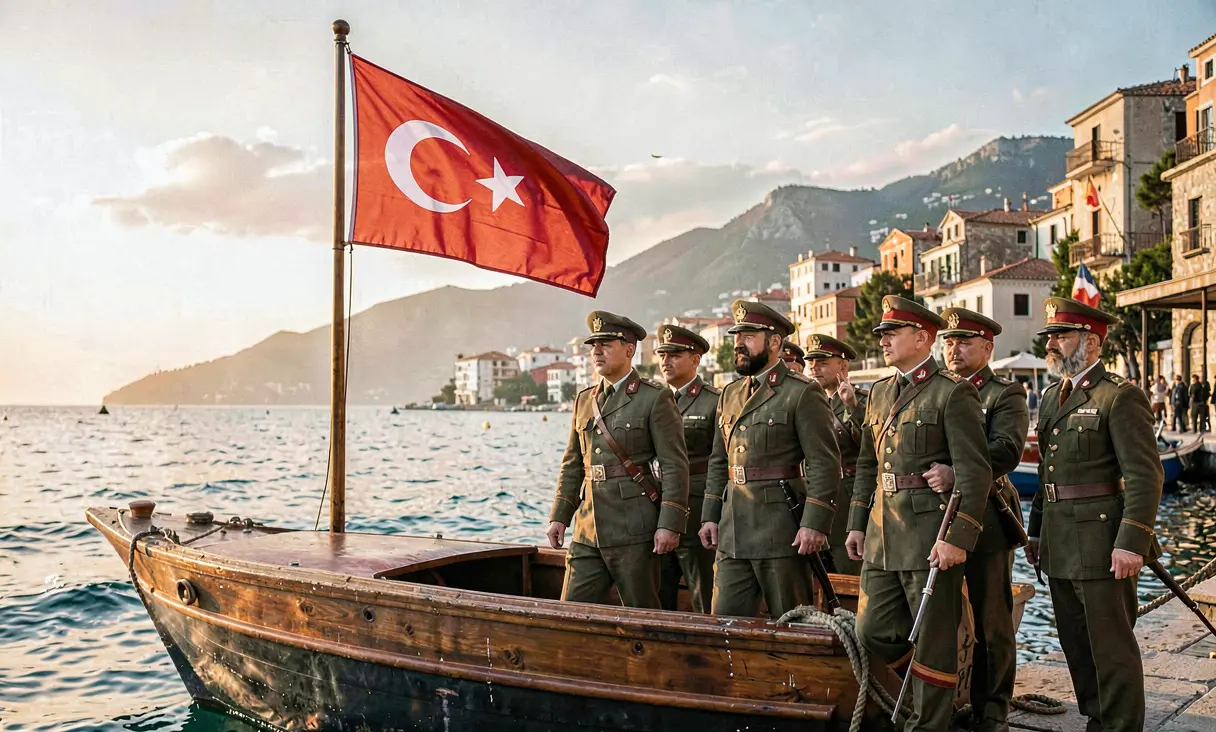 WarTurkish War of Independence BeginsMay 19, 1919 · Samsun, TurkeyMustafa Kemal Atatürk lands in Samsun to organize resistance against Allied occupation and the Ottoman Sultanate.
 WarEaster Rising in IrelandApril 24, 1916 · Dublin, IrelandIrish republicans launch an armed insurrection against British rule in Dublin during Easter Week.
 PoliticsGhana Gains Independence from BritainMarch 6, 1957 · Accra, GhanaKwame Nkrumah leads the Gold Coast to become the first sub-Saharan African nation to gain independence from colonial rule.
 PoliticsCongo Gains Independence from BelgiumJune 30, 1960 · Kinshasa, Congo (DRC)The Belgian Congo becomes the independent Republic of the Congo, sparking immediate political turmoil.
 PoliticsAngolan War of Independence EndsNovember 11, 1975 · Luanda, AngolaAngola gains independence from Portugal, immediately plunging into a civil war between rival liberation movements.
Discussion
Loading…