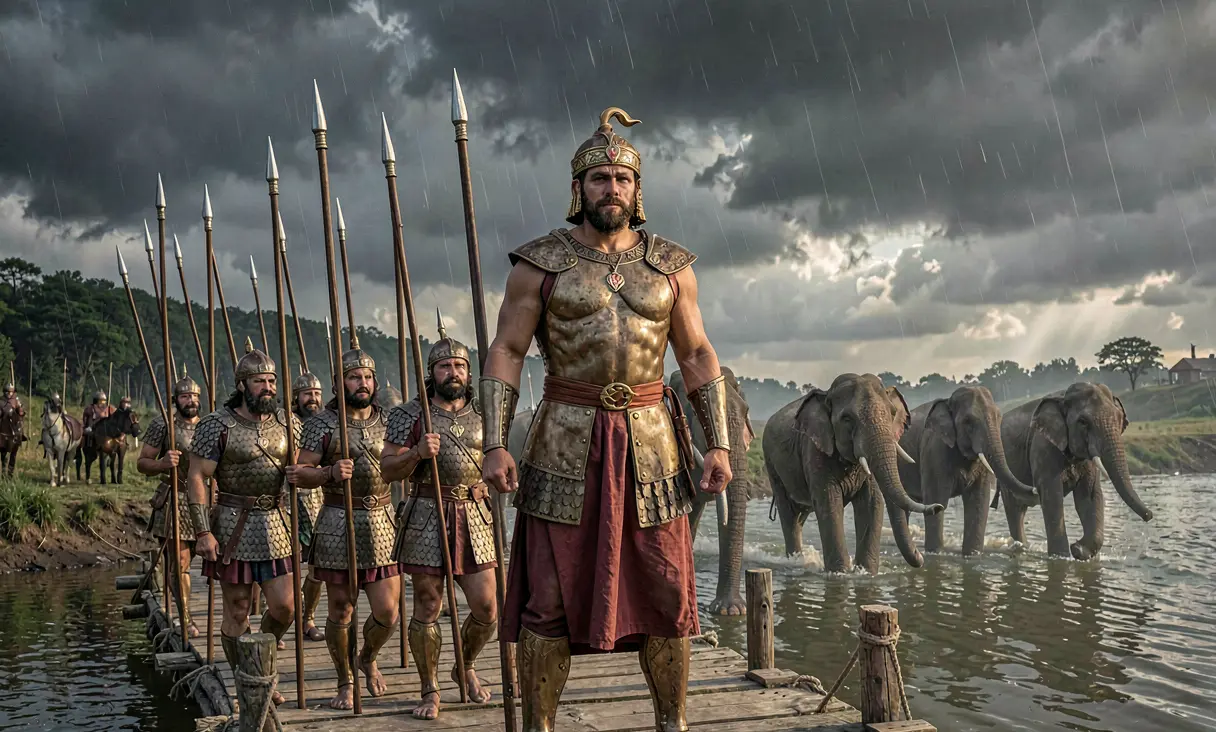
Alexander the Great Crosses the Indus River
In 326 BCE, Alexander the Great's daring crossing of the Indus River led to a brutal victory over King Porus but ended with his army mutinying at the Hyphasis, permanently halting the eastward expansi
The March to the Indus
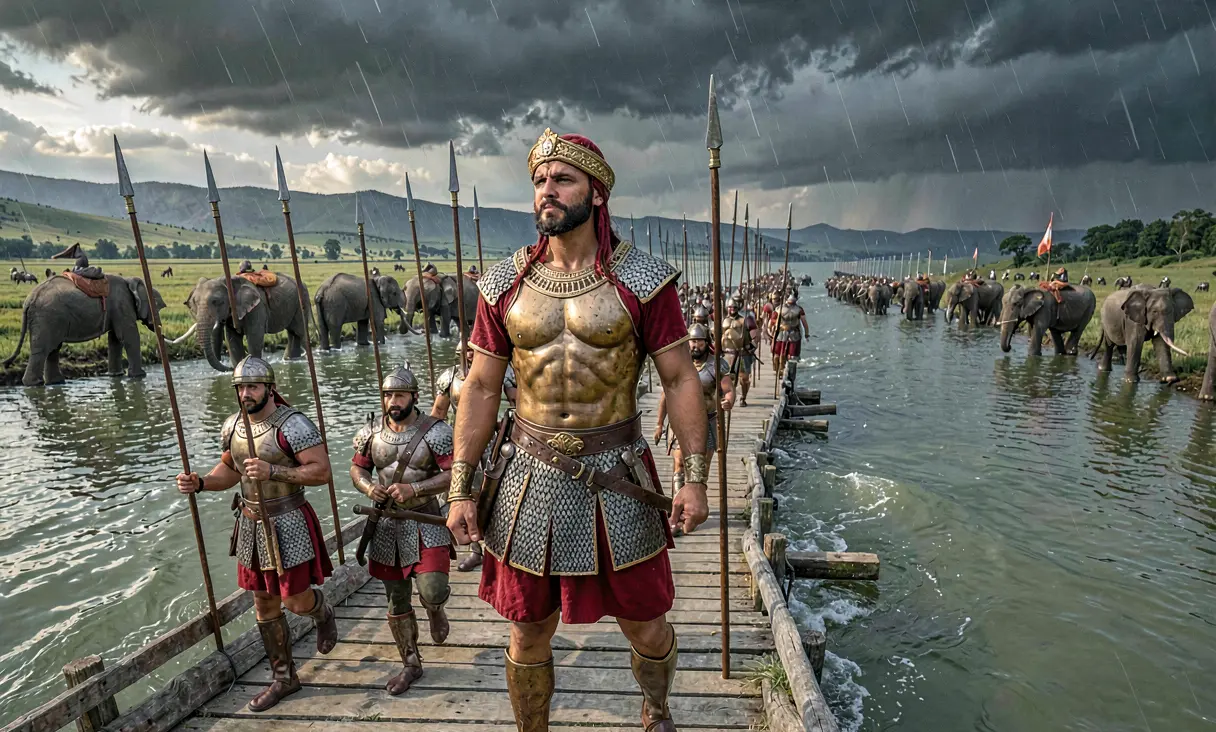
By the spring of 326 BCE, Alexander III of Macedon had already dismantled the Achaemenid Persian Empire, traversing from Greece through Anatolia, Syria, Egypt, and Mesopotamia. His army, now a seasoned but weary force of approximately 40,000 infantry and 7,000 cavalry, pushed eastward into the Hindu Kush mountains. The objective was the Punjab region, then known as the land of five rivers. Upon reaching the Indus River near modern-day Attock, Alexander faced a formidable logistical challenge: crossing one of the world's largest rivers while under the watchful eyes of local powers. To facilitate this, he constructed a massive bridge of boats over several days, utilizing materials gathered from the surrounding forests and ships transported downriver from Bactria.
Confrontation with King Porus
On the eastern bank of the Indus lay the kingdom of Paurava, ruled by King Porus (Puru), a ruler renowned for his immense stature and martial prowess. Unlike many regional chieftains who submitted to Alexander's reputation, Porus refused to send envoys or offer tribute, signaling an intent to defend his sovereignty. In response to this defiance, Alexander prepared for a campaign that would test the limits of Macedonian military doctrine. He secured a strategic alliance with Taxiles (Ambhi), the king of Taxila, who provided intelligence and logistical support against Porus. This diplomatic maneuver isolated Porus politically before the first arrow was loosed, setting the stage for a clash between two distinct military philosophies.
The Battle of the Hydaspes
The decisive engagement occurred in May 326 BCE at the banks of the Hydaspes River (modern Jhelum). Porus had positioned his army, estimated by ancient sources to include 200 war elephants, 2,000 chariots, and a formidable cavalry force, directly opposite Alexander's crossing point. Utilizing deception and superior maneuverability, Alexander feigned a direct assault before executing a daring night march upstream to cross the river at an unguarded bend during a violent thunderstorm. The storm masked the sound of his approach, allowing the Companion Cavalry to land undetected. When dawn broke, Porus was forced to engage immediately with only half his forces deployed, as the rest were still forming up.
Tactical Mastery and the Elephant Threat
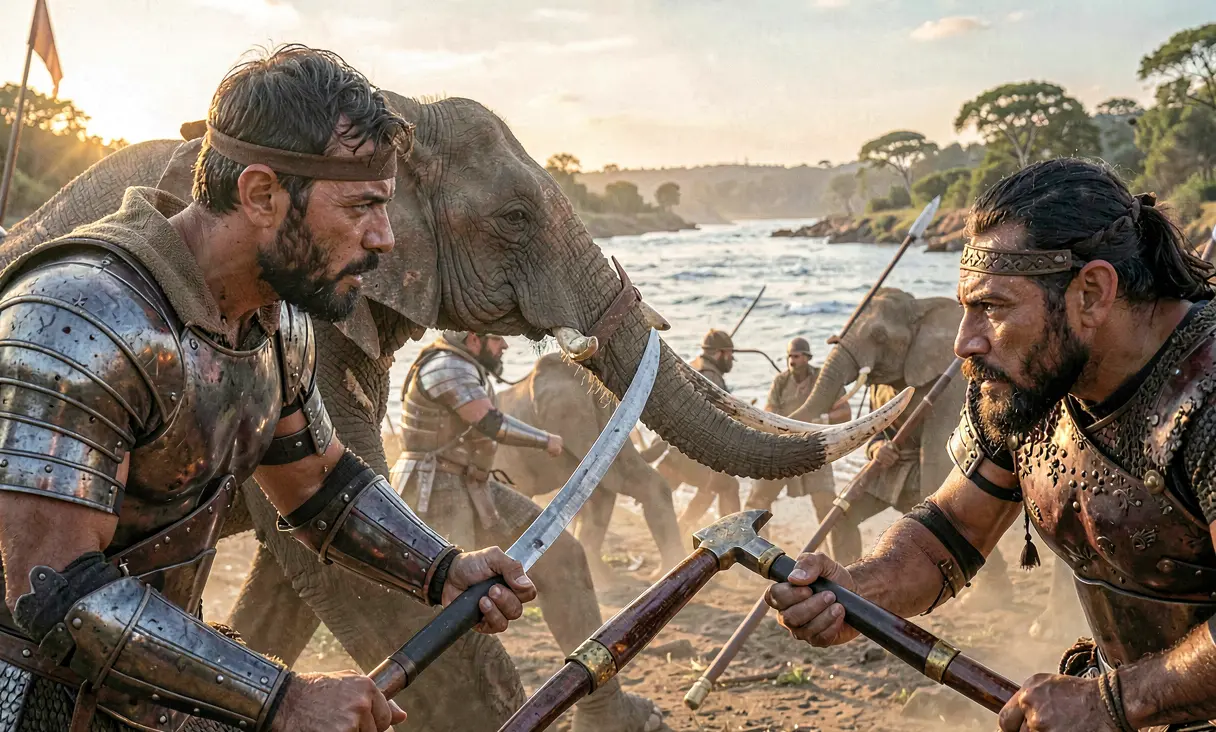
The battle became a grueling test of endurance against the terrifying war elephants that dominated the Indian battlefield. Alexander's phalanx held firm while his cavalry, led by Coenus, executed flanking maneuvers to disrupt Porus's lines. The Macedonians discovered that their javelins and long sarissa spears could wound the elephants' trunks, causing the beasts to panic and turn on their own ranks. Despite heavy casualties, including the death of Alexander's beloved horse Bucephalus shortly after the battle, the Macedonian tactics prevailed. Porus fought with legendary bravery, refusing to retreat even as his army disintegrated around him. When finally captured, he famously told Alexander, 'Treat me like a king,' an assertion that deeply impressed the conqueror.
The Mutiny at the Hyphasis
Following the victory at Hydaspes, Alexander intended to push further east into the Gangetic plain, where he believed the Nanda Empire awaited with a force of 200,000 infantry, 80,000 cavalry, and thousands more war elephants. However, after weeks of marching through monsoon rains and facing the prospect of an even larger enemy, the Macedonian soldiers reached their breaking point at the Hyphasis River (modern Beas). In a historic mutiny, the troops refused to advance, citing exhaustion, homesickness, and fear of the unknown. Despite Alexander's impassioned pleas and three days of sulking in his tent, he was forced to concede defeat by his own men, marking the easternmost limit of his empire.
Legacy of the Indian Campaign
The crossing of the Indus and the subsequent campaign fundamentally altered the geopolitical landscape of antiquity. Alexander established several cities, including Bucephala and Nicaea, to commemorate his victories and secure his supply lines. He reinstated Porus as a satrap, governing a territory larger than he had previously held, a policy of conciliation that stabilized the region temporarily. Although Alexander's empire fractured shortly after his death in 323 BCE, the campaign opened enduring trade routes between the Hellenistic world and India. The resulting cultural synthesis, known as Greco-Buddhism, would flourish for centuries, influencing art, religion, and philosophy from Gandhara to the courts of the Mauryan Empire.
Historical Significance
The Indus crossing stands as a watershed moment in military history, demonstrating both the peak of Alexander's tactical genius and the human limits of imperial ambition. It was the first time a European army had successfully engaged and defeated Indian war elephants on such a scale, providing invaluable intelligence for future conquerors like Seleucus I Nicator. While the mutiny at the Hyphasis halted the physical expansion of Macedon, the psychological impact resonated across Asia, proving that no empire was invincible to the forces of nature or human will. The event remains a defining chapter in the narrative of global connectivity, bridging the Mediterranean and South Asian civilizations.
Alexander's invasion brought direct contact between Greek and Indian cultures, paving the way for centuries of syncretism in art and philosophy.
Where it happened
Attock (modern Pakistan) — see it on the interactive map →
Explore related history
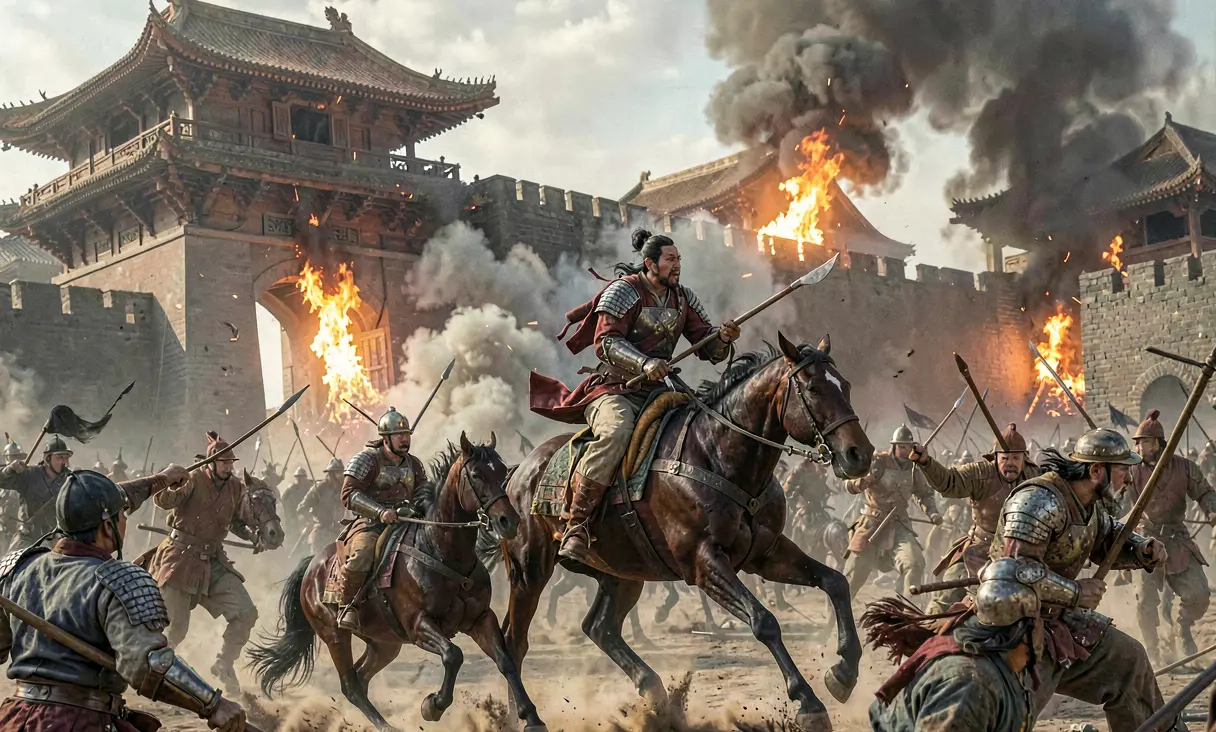 WarAn Lushan Rebellion Begins755 CE · Chang'an, ChinaGeneral An Lushan revolts against Emperor Xuanzong, devastating the Tang Dynasty and population.
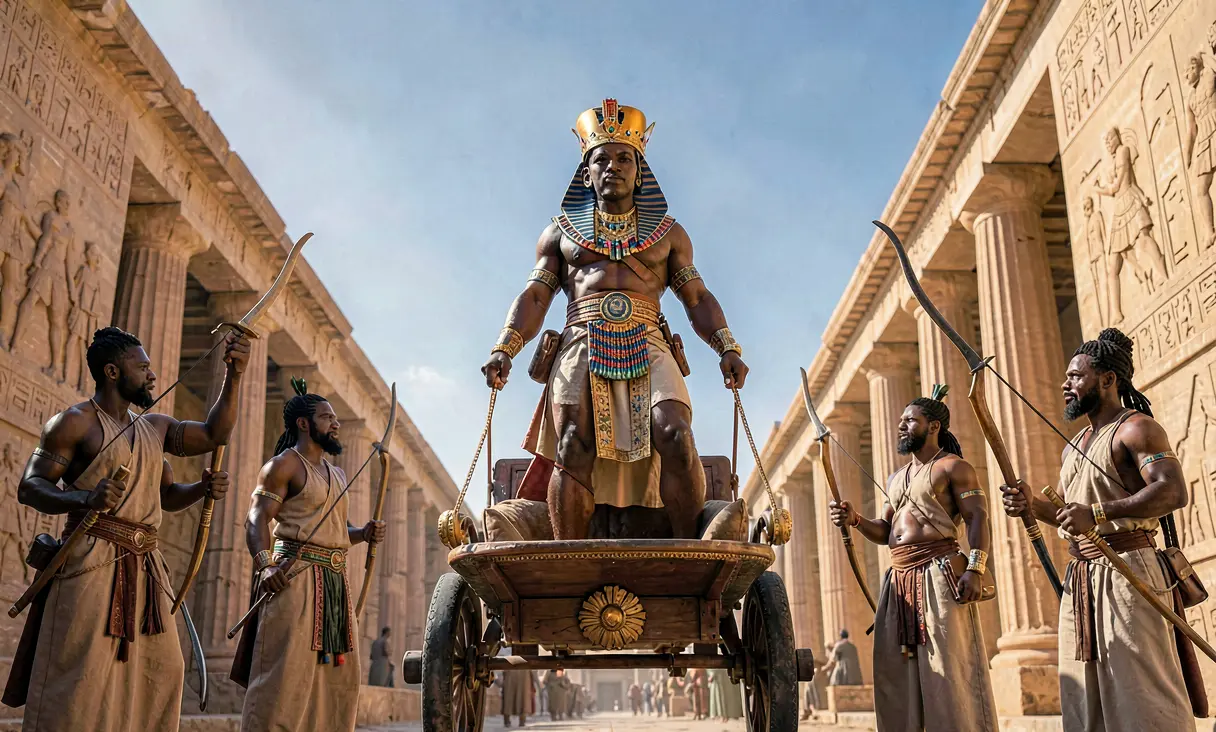 WarKushite Conquest of Egypt (25th Dynasty)c. 747 BCE · Thebes, EgyptKing Piye of Kush conquers Upper and Lower Egypt, establishing the first African-led dynasty in Egyptian history.
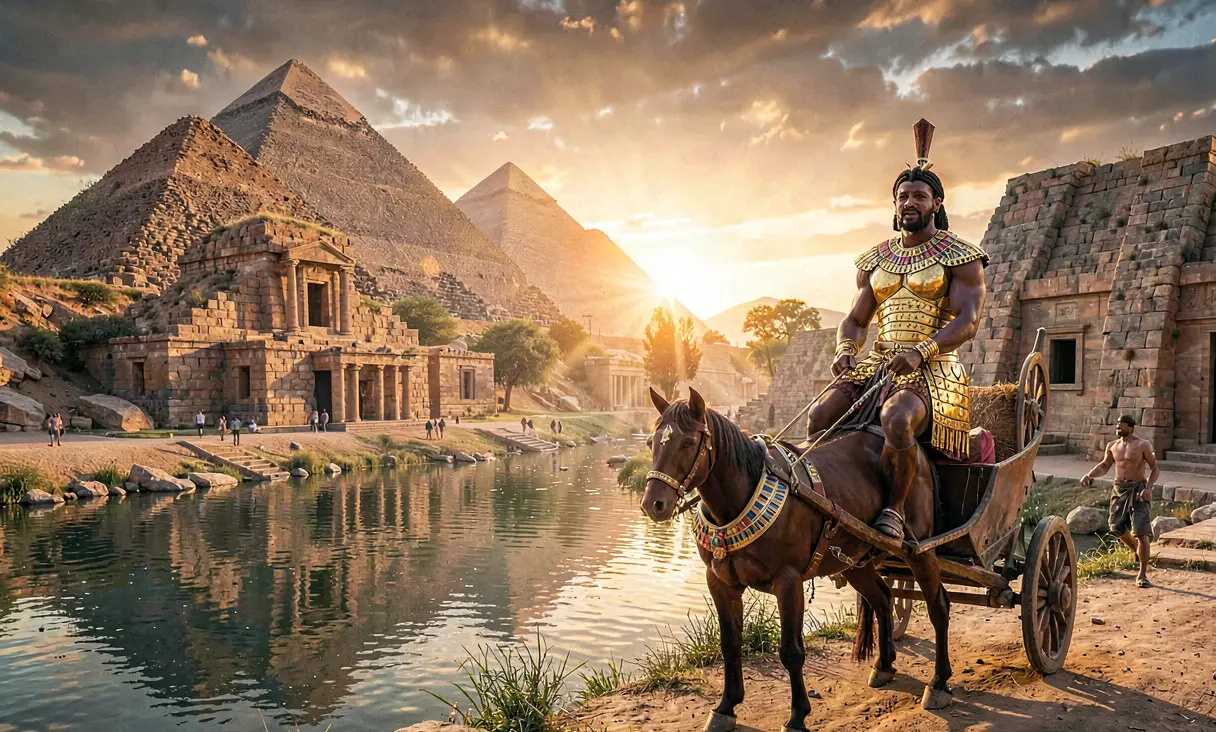 WarKushite Conquest of Egypt Establishes 25th Dynastyc. 744 BCE · Napata, Nubia (Modern Sudan)King Piye of Kush conquers Upper Egypt, establishing the 25th Dynasty and restoring traditional Egyptian religious practices.
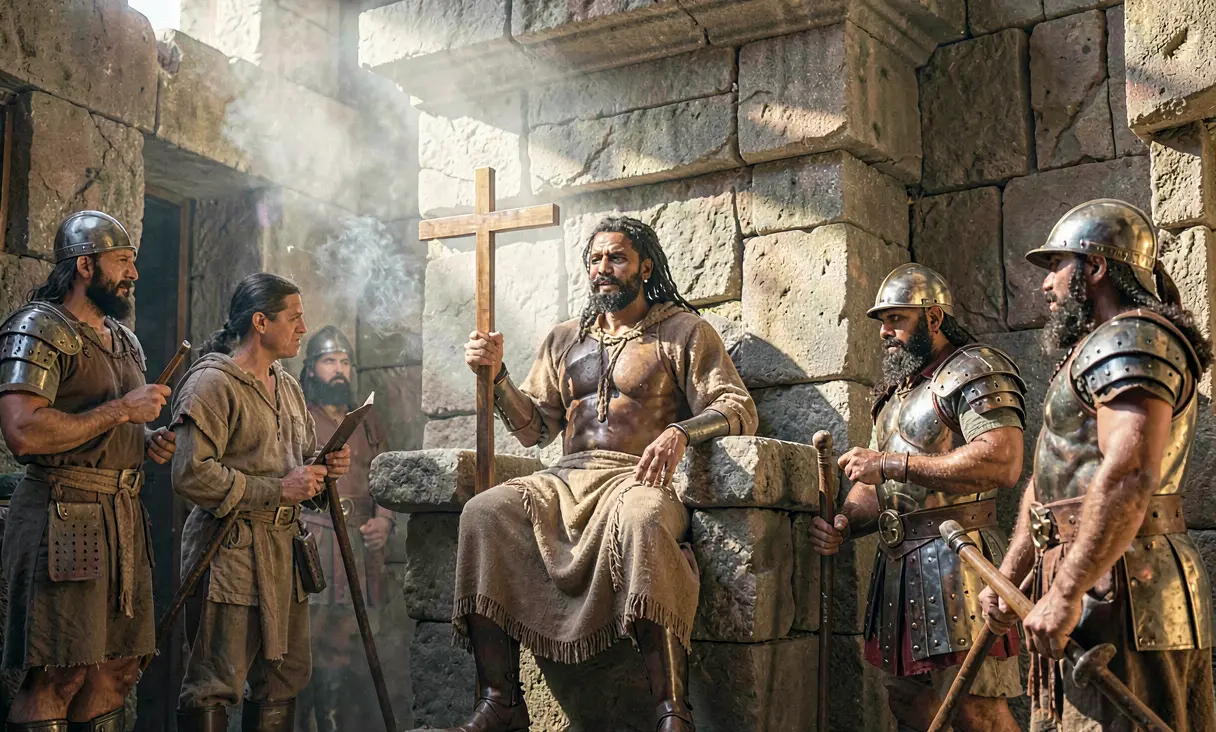 ReligionKing Ezana Declares Aksum a Christian Kingdomc. 330 CE · Aksum, EthiopiaKing Ezana adopts Christianity as the state religion of Aksum under the influence of Frumentius.
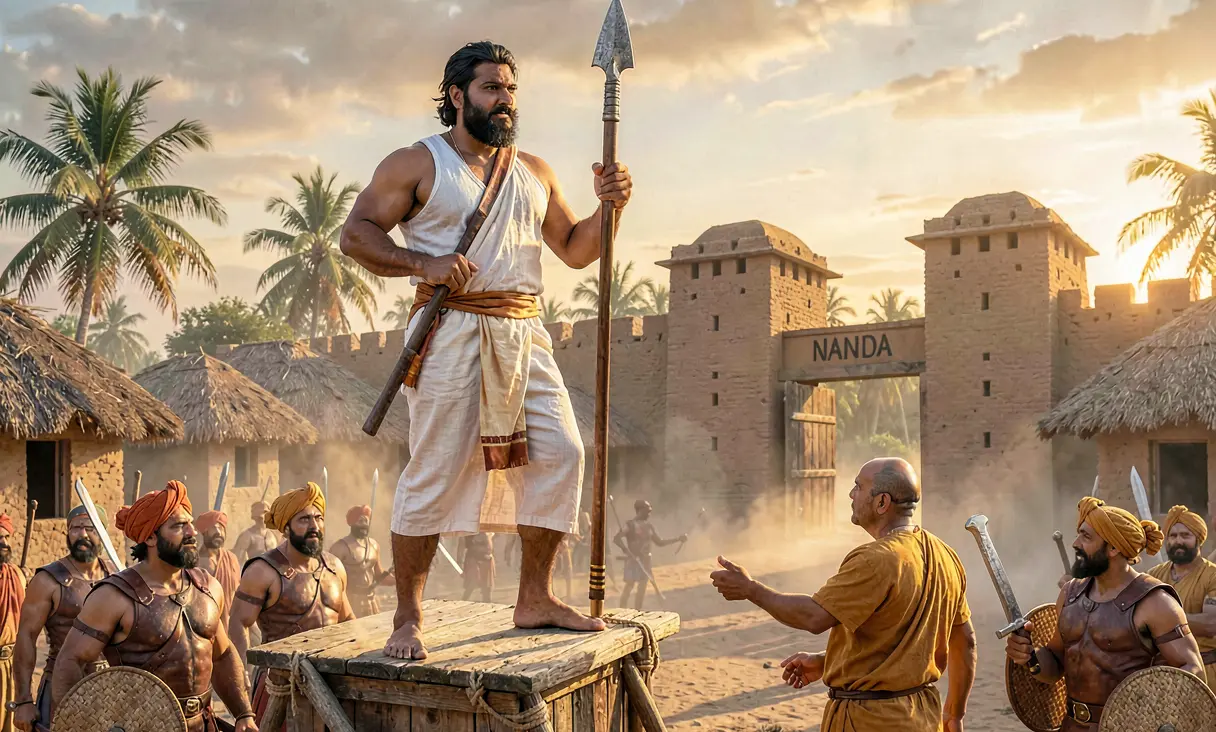 PoliticsChandragupta Maurya Founding the Mauryan Empirec. 321 BCE · Pataliputra (modern Patna/India)Chandragupta Maurya defeats the Nanda Dynasty with the help of Chanakya, establishing India's first pan-continental empire.
 TechnologyConstruction of the Aqua Appia: Rome's First Aqueduct312 BCE · Rome, ItalyAppius Claudius Caecus builds the first aqueduct to supply fresh water to Rome.
Discussion
Loading…